Writing Like Readers, Reading Like Writers

Best Practices in Writing Instruction Writing Like Readers, Reading Like Writers Nicole Godard  ·  HCSS Best Practices Over the last decade, I have tried every trick in the book to help demystify the complex work of writing for my students. Graphic organizers, sentence frames, miscellaneous acronyms… I’ve tried them all. Students would dutifully attempt to give me what I asked …

Writing Like Readers, Reading Like Writers Read More »

From Belonging to Breaking Through: Supercharging Intervention for Struggling Learners

By Suleyman Demirhan March 2026  |  Education & Equity In my last post, I wrote about Belonging — the quiet but powerful belief that makes students try, persist, and grow. I explored how students who feel like they don’t belong pull away from learning, and how we as educators can send signals every day that say: you are home here. …

From Belonging to Breaking Through: Supercharging Intervention for Struggling Learners Read More »

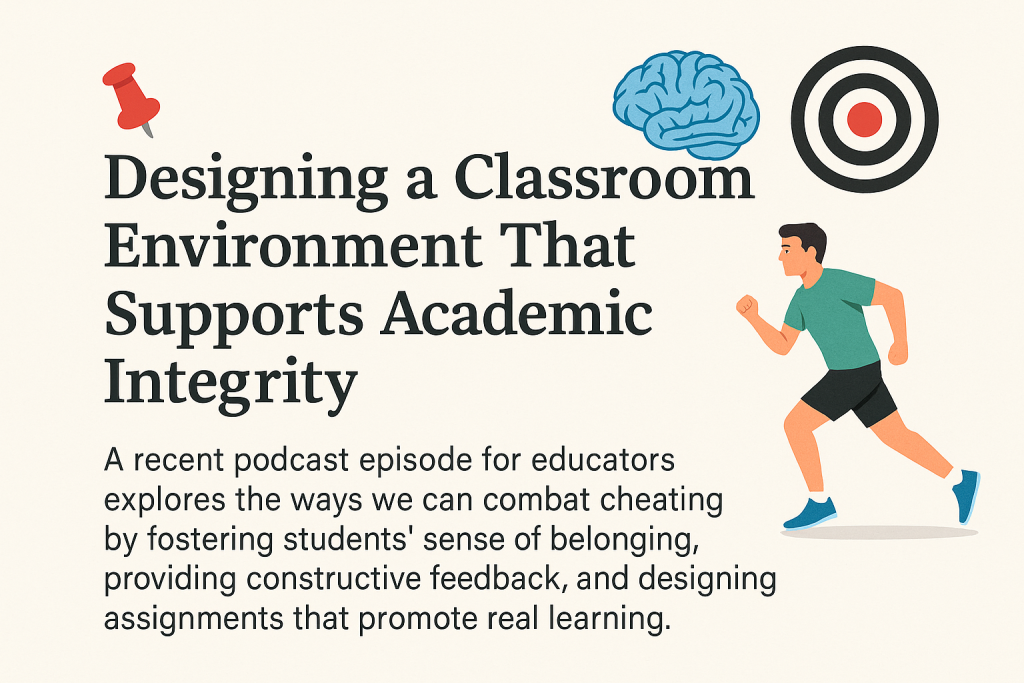
Rethinking Cheating and Integrity in the Age of AI

Rethinking Cheating and Integrity in the Age of AI Reflections on Cult of Pedagogy Podcast #251 As educators, we’ve all asked the question lately: How do we help students learn authentically when AI is just a click away? In Episode 251 of the Cult of Pedagogy podcast, Jennifer Gonzalez interviews Dr. Tony Frontier, whose insights helped me reframe this issue …

Rethinking Cheating and Integrity in the Age of AI Read More »

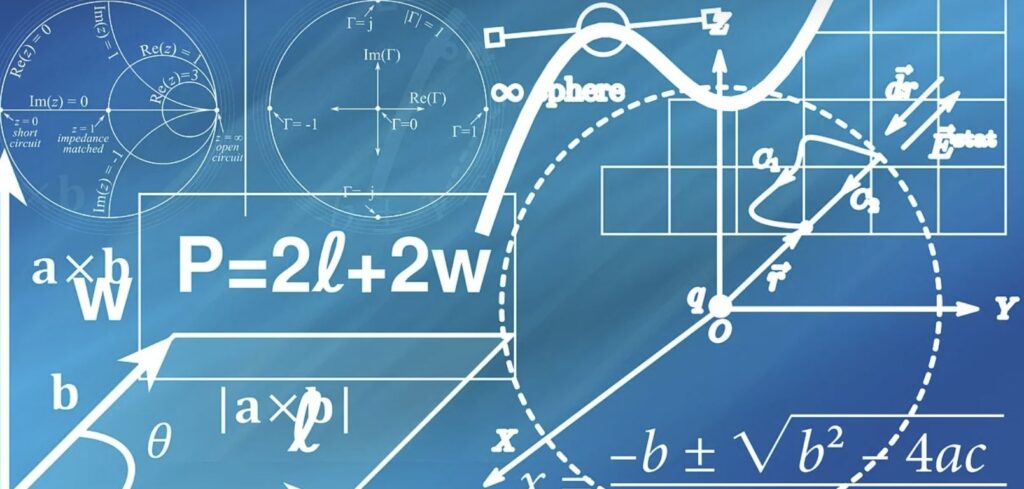
How to Learn Math

How to Learn Math for Teachers  by Sarah Gullett I recently had the opportunity to take a professional development course titled “How to Learn Math for Teachers” offered by Youcubed.org.  The course was taught by Jo Boaler, Professor of Mathematics at Stanford University.  Throughout the course, Boaler explores new research on mathematics learning and student mindsets in an engaging format. …

How to Learn Math Read More »

Origami in Mathematics

All of mathematics is built upon a solid foundation of fundamental mathematical facts. These building blocks allow subsequent ideas to be hypothesized and in many cases proven, adding to the never ending list of theorems and definitions taught in schools today. For Geometry, these fundamental axioms were formalized by the Greek mathematician Euclid in Alexandria around 300 BC in a …

Origami in Mathematics Read More »